How Does Cap Compression Molding Improve the Quality of Bottle Caps?
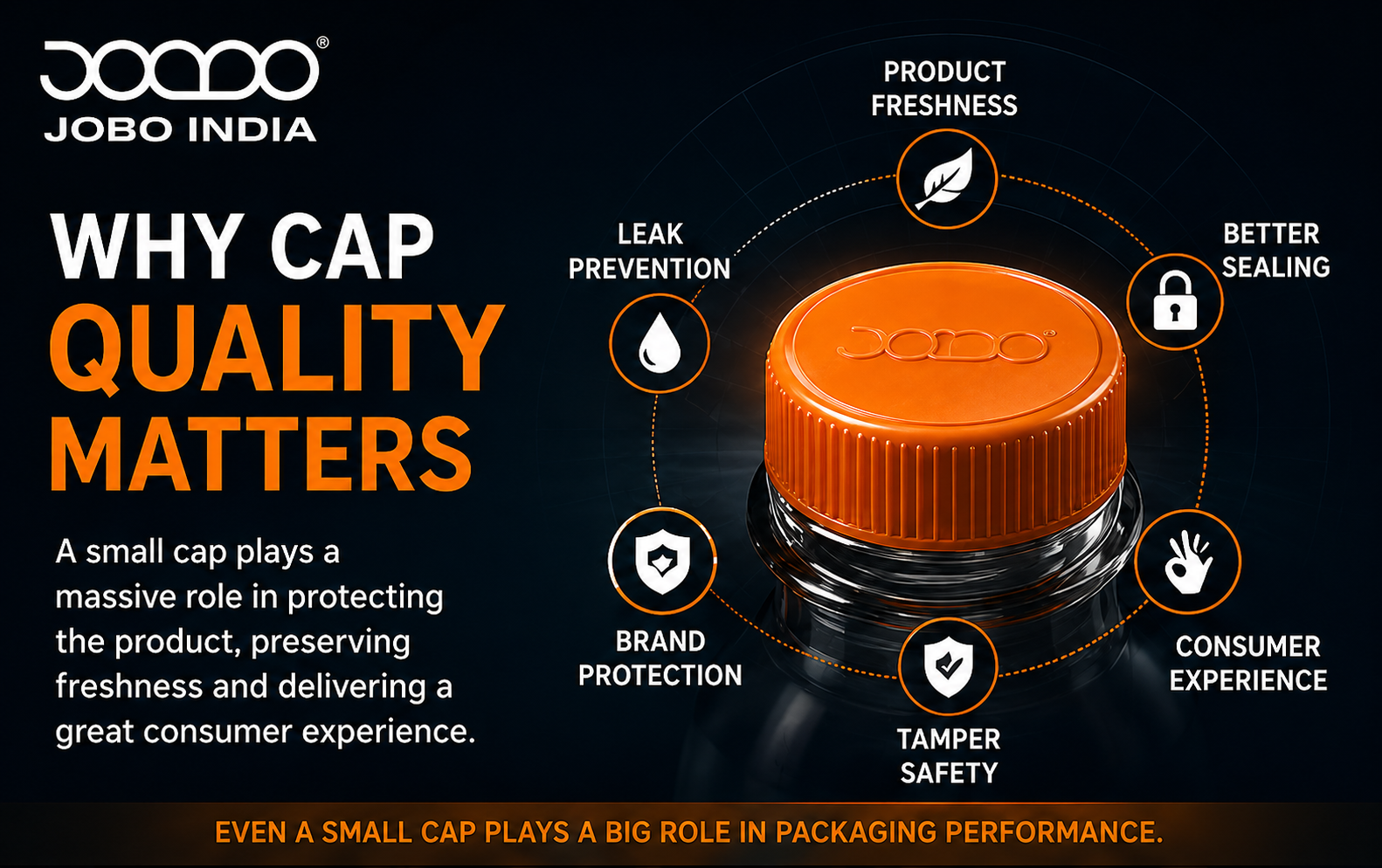
In today's changing world of packaging, the quality of a bottle cap is more important than many people think. A small cap has a big responsibility — it helps keep the product fresh, protects what's inside the bottle, and gives customers a smooth, satisfying experience when they open it. In cap manufacturing, even a small difference in size or shape can matter.
Because of this, many cap manufacturers are now moving away from traditional injection molding and choosing a smarter, more efficient method called compression molding for making bottle caps. This process helps produce caps with better consistency, less material waste, and faster production, making it a reliable solution for modern packaging needs.
How Does Compression Molding Improve Bottle Cap Quality?
Let's break it down in simple, clear terms — and see why compression molding is becoming the preferred choice for producing high-quality plastic bottle caps.
1. Consistent Cap Dimensions
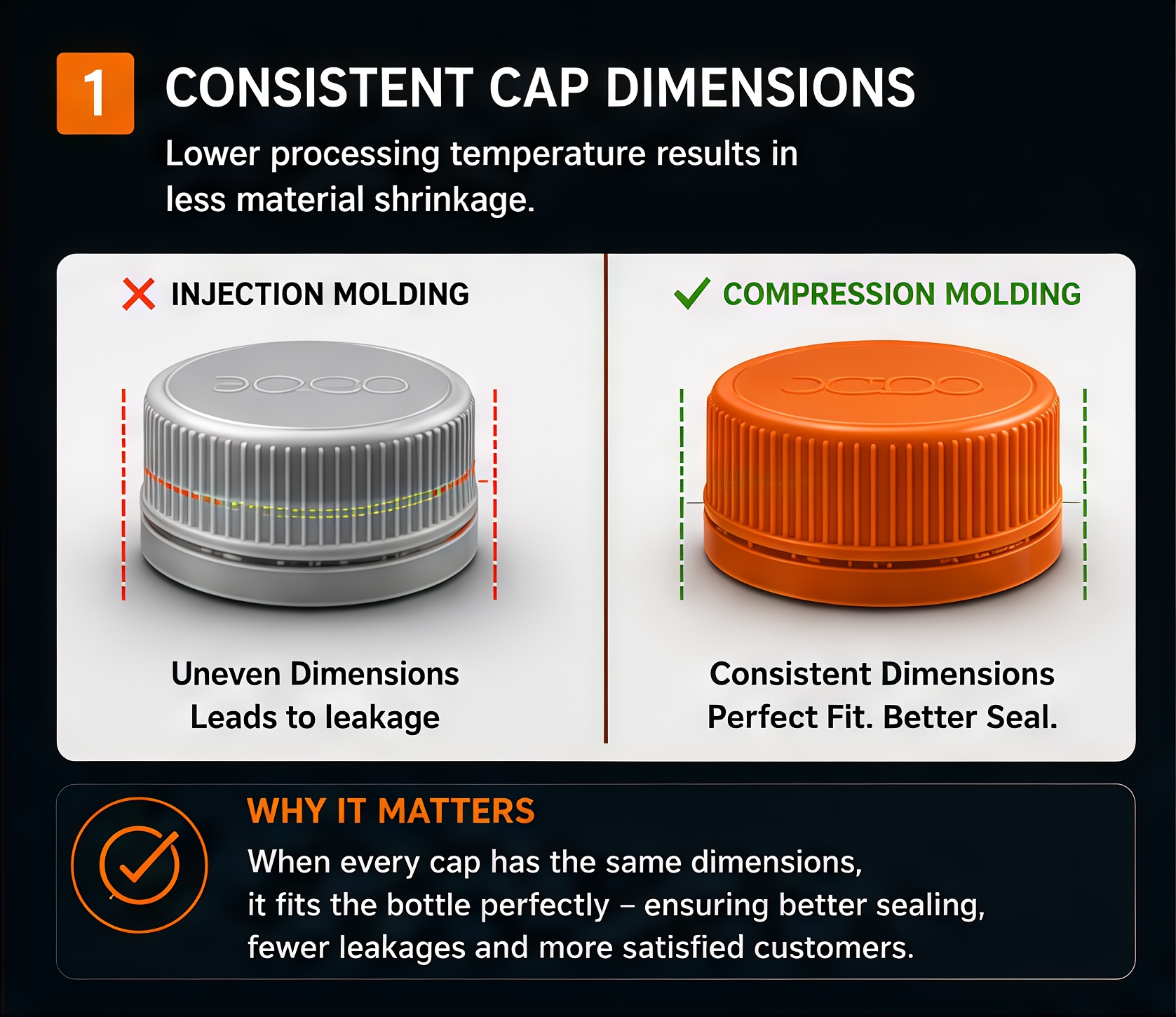
Compression molding works at lower processing temperatures compared to traditional injection molding. Because of this, the plastic material experiences less shrinkage during production.
Why it matters: When every cap has the same dimensions, it fits the bottle perfectly. This means better sealing, fewer leakage problems, and more satisfied customers.
2. Flawless Surface Finish
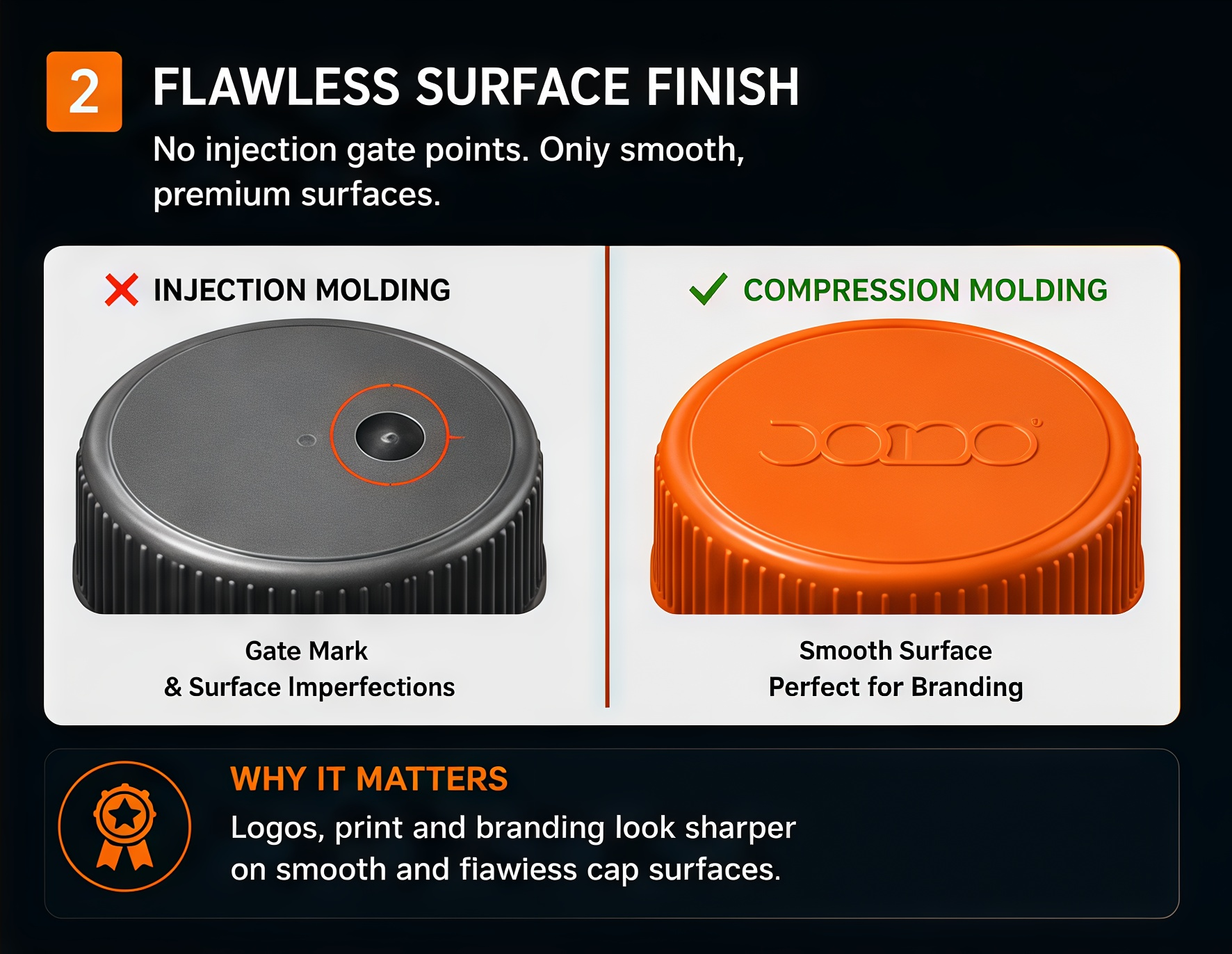
Among the key benefits is the absence of injection gate points. Unlike injection molding, compression molding eliminates the points of contact that can leave molding marks or imperfections on the cap top, which is why compression-molded caps have such smooth surface finishes.
Why it matters: Logos, print, and branding look sharper on a perfect cap surface.
3. Stronger Caps with Better Durability
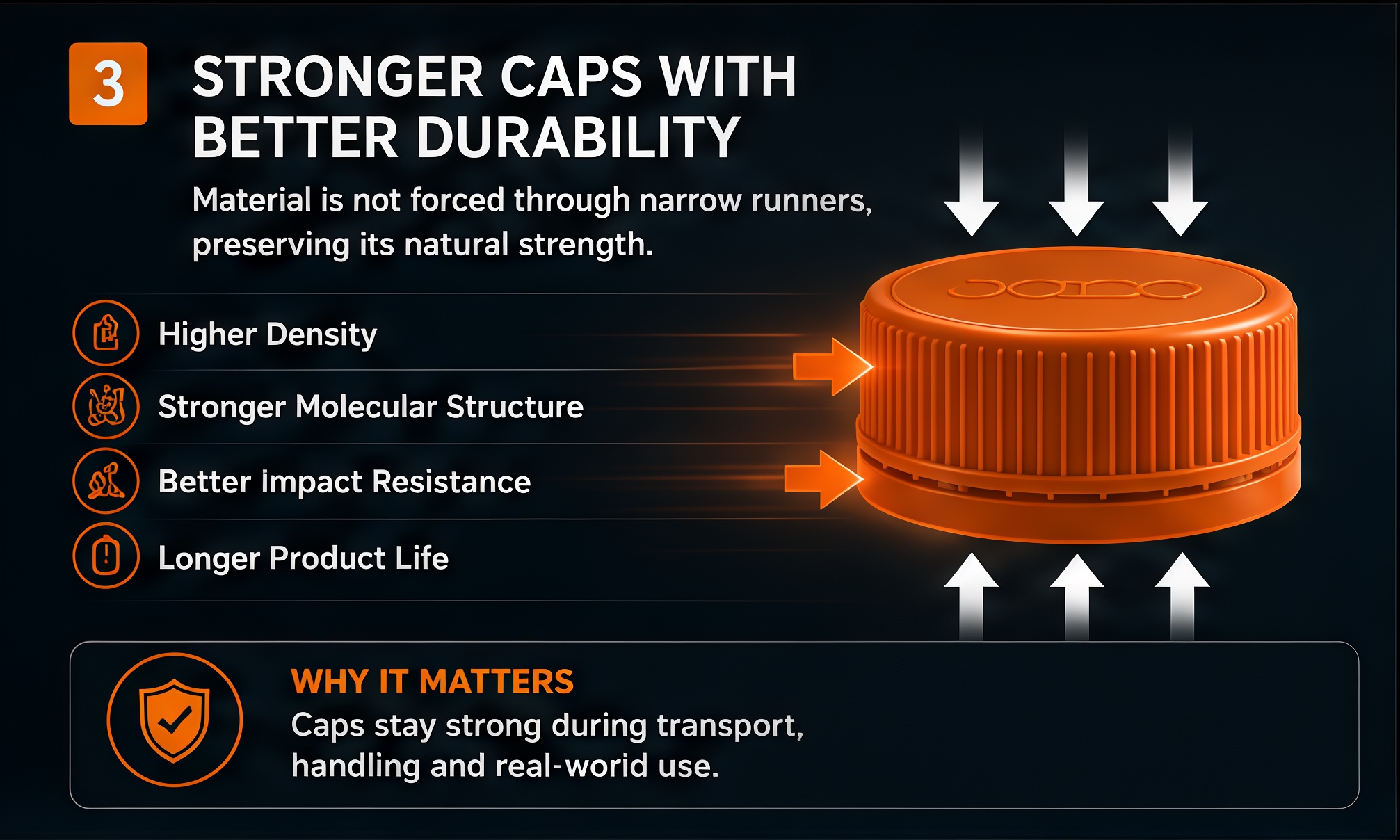
Since the material isn't pushed through narrow runners at high pressure, it keeps its natural molecular strength. Compression-molded caps have higher density and are more durable, and they perform better in real-world use.
Why it matters: During transport or everyday handling, these caps stay strong and hold their shape.
4. Lightweight — Without Losing Strength
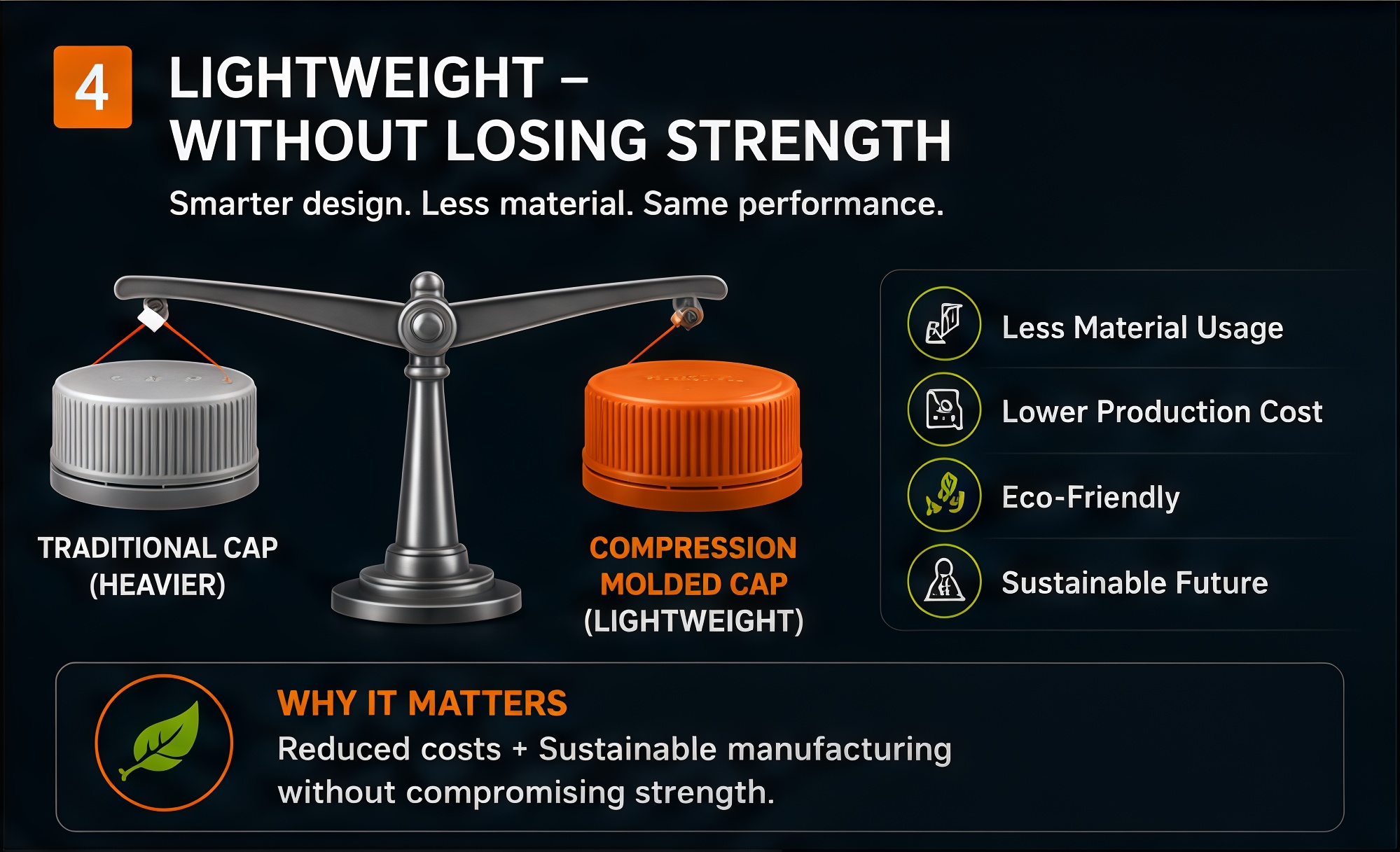
Through compression molding, manufacturers can produce slimmer, lighter caps that still meet performance requirements — an ideal balance between cost-efficiency and durability.
Why it matters: You get reduced raw material costs while also supporting sustainability goals.
5. Faster Cooling and Productivity

Since compression molding for caps uses cooler temperatures, the caps cool and solidify faster. Some cap compression molding machines can complete a full cycle in under two seconds.
Why it matters: More caps in less time, without compromising on quality.
6. Improved Thread Quality
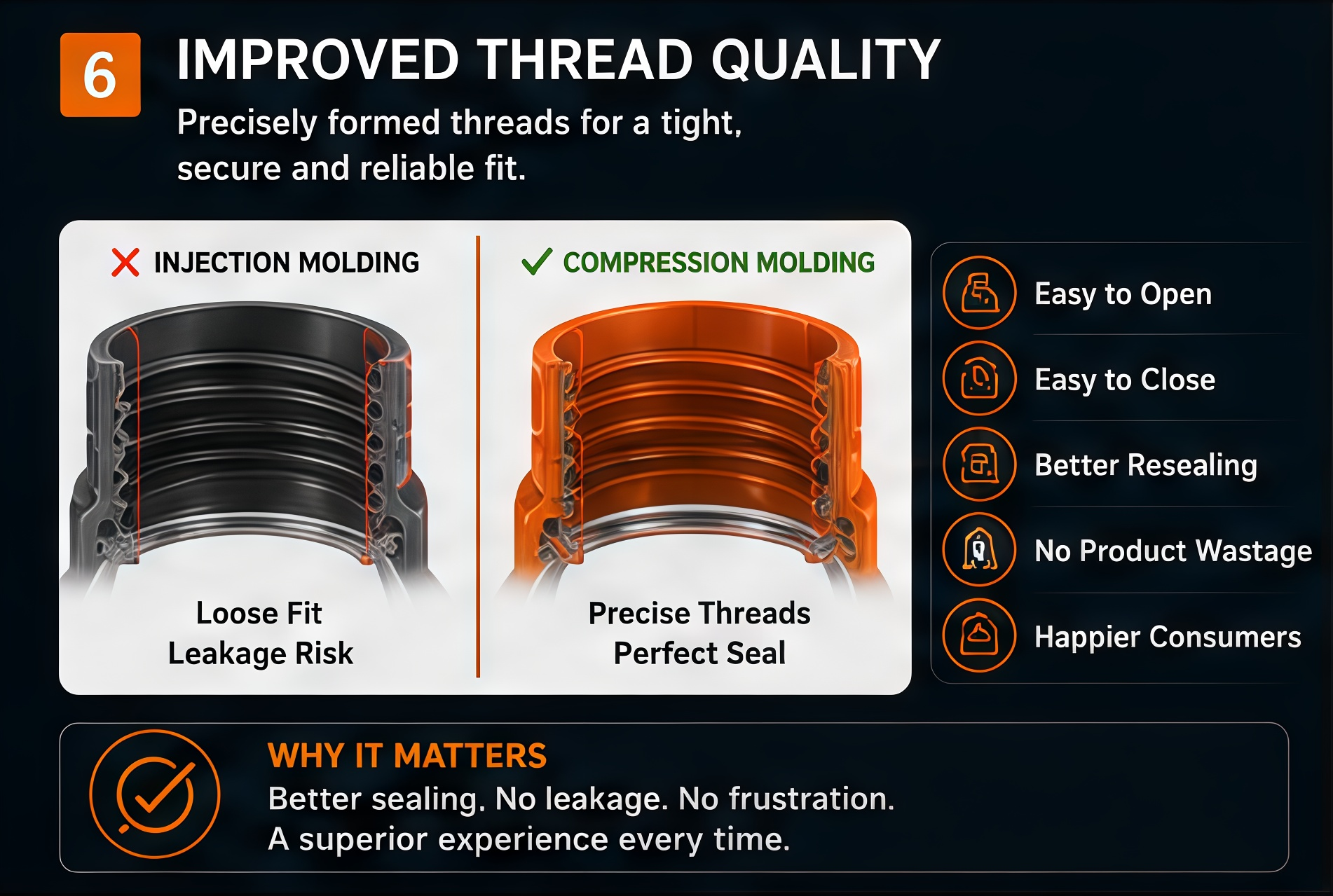
Threads are everything when it comes to sealing and resealing. Compression-molded caps have precisely formed threads that fit tightly on the bottle neck without damage.
Why it matters: Easy to open, easy to close, no product wastage, and no customer frustration.
7. Versatility in Material Usage
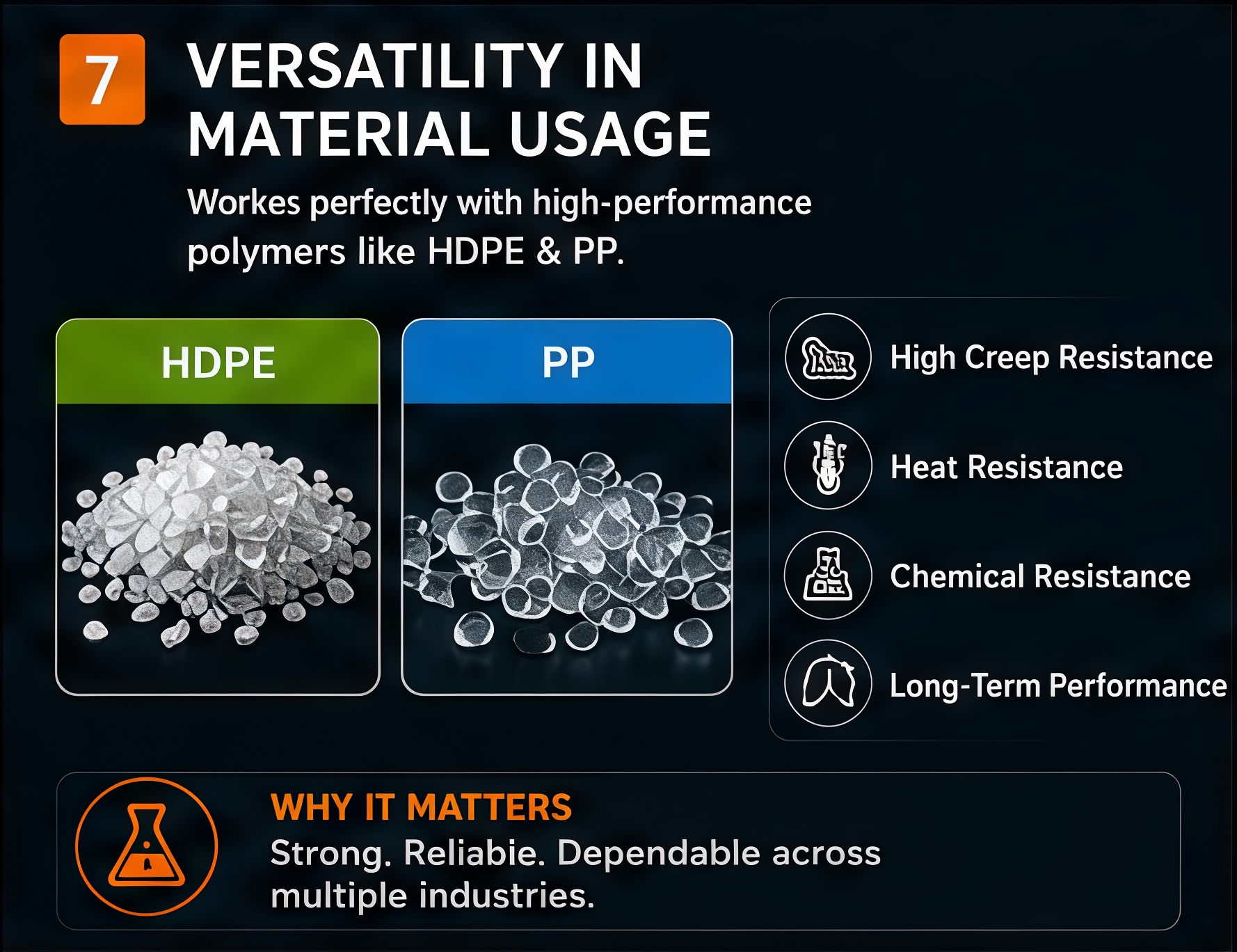
Compression molding works well with polymers such as HDPE and PP, materials known for their creep resistance, heat resistance, and long-term performance.
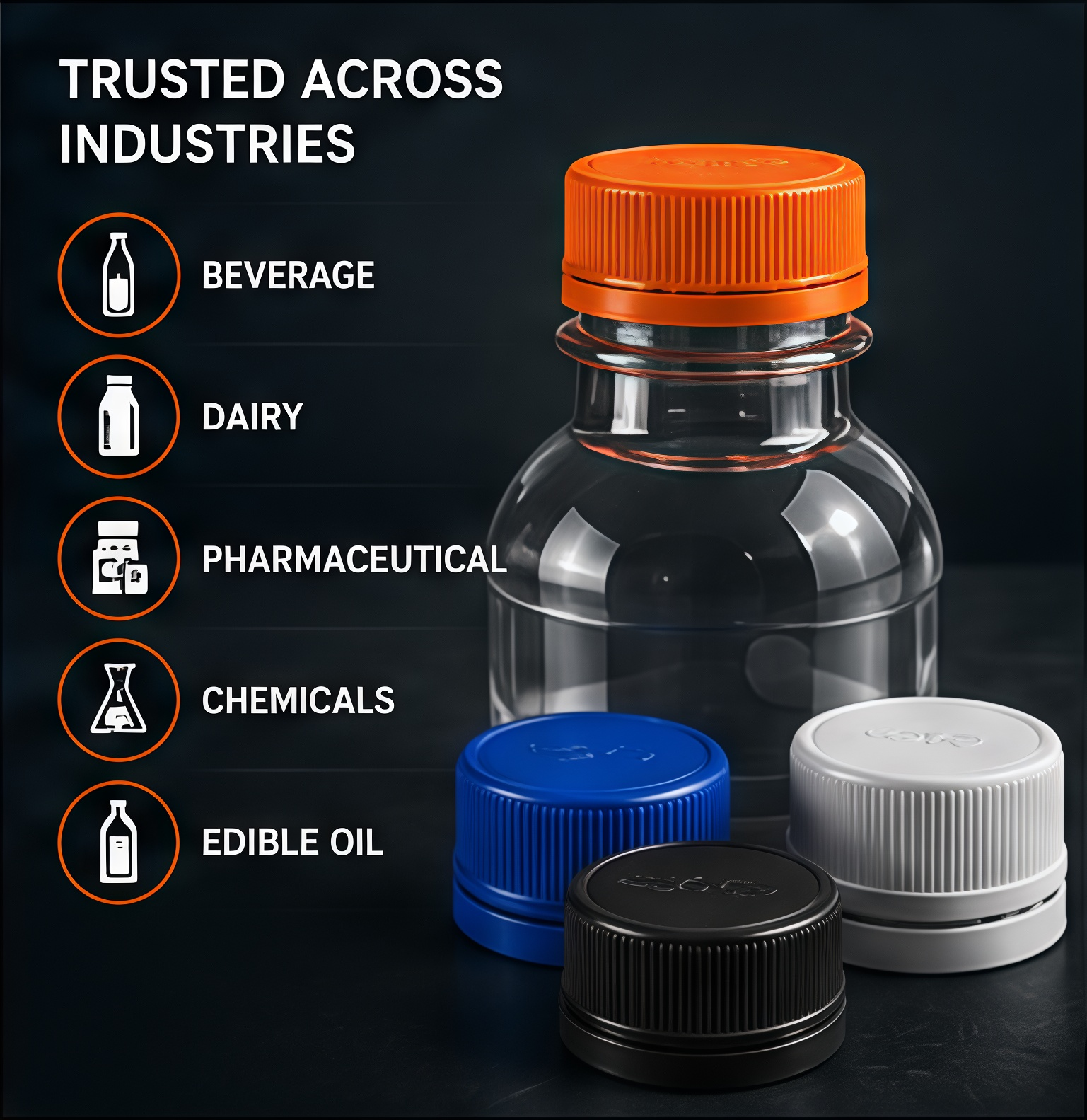
Why it matters: The caps aren't just strong — they're dependable across industries like beverages, dairy, pharmaceuticals, chemicals, and edible oil.
Looking for a Reliable Cap Compression Molding Machine?
Jobo India manufactures high-speed cap compression molding machines built for consistency, strength, and speed — trusted by manufacturers in 60+ countries.
Chat on WhatsAppConclusion: A Smarter Way to Make Bottle Caps
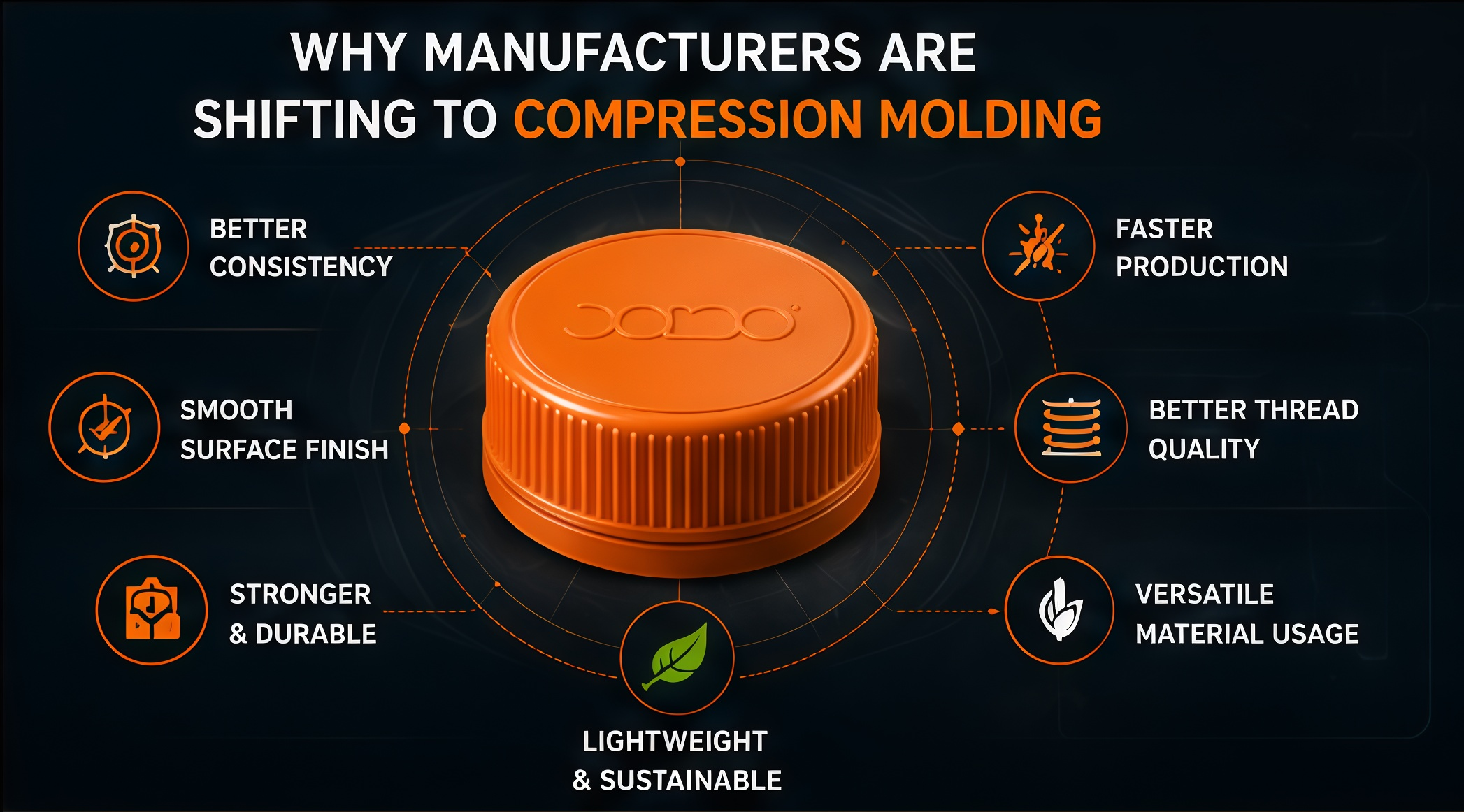
Compression molding for caps delivers exactly what modern cap manufacturing needs:
Better consistency. Better surface quality. More mechanical strength. Eco-friendly lightweighting. A real increase in production speed.
So if you're in the packaging or bottling industry and you need a competitive advantage, a Cap Compression Molding Machine isn't just a process upgrade — it's one of the best investments you can make.
Get a Customized Machine Quotation
Share your cap size, daily production target, and application. Our team will help you select the right machine and provide a detailed quotation.
Call Now: +91 84694 59013Frequently Asked Questions (FAQs)
1. What is cap compression molding, exactly?
It's a way of making bottle caps where a measured amount of hot plastic is placed into a mold and squeezed into shape, rather than being forced through narrow channels under high pressure like injection molding does. Less stress on the material usually means a stronger, more uniform cap on the other end.
2. How is compression molding actually different from injection molding?
Injection molding pushes molten plastic through thin runners and gates to fill a mold cavity, which puts the material under a lot of pressure and heat. Compression molding skips that step — the plastic is already in the cavity, so it just gets pressed into shape, resulting in lower stress, lower heat, and fewer defects.
3. Why do compression-molded caps fit so much more consistently?
It mostly comes down to temperature. Compression molding runs cooler, so the plastic doesn't shrink as much while it sets. Less shrinkage means less variation from one cap to the next — caps that seal the same way every time instead of some being a little loose and others a little tight.
4. Does compression molding really make the cap surface look better?
Yes. Injection molding leaves behind gate marks where the plastic was injected, which can affect how clean a logo or print job looks on the cap. Compression molding has no injection point at all, so you get a smoother, cleaner surface to brand on.
5. Are compression-molded caps actually stronger, or is that just marketing?
There's real substance behind it. Because the plastic isn't forced through tight channels at high pressure, it keeps more of its natural molecular structure intact, which generally means higher density and better durability in shipping, handling, and everyday use.
6. Can you make caps lighter this way without making them weaker?
Yes — and this is a big reason sustainability-focused brands like the process. Compression molding lets manufacturers reduce the material in a cap while still hitting the strength and performance numbers it needs to meet, without the cap turning flimsy.
7. Is compression molding actually faster than injection molding?
Per cycle, yes, often noticeably so. Since it runs at lower temperatures, caps cool and set faster once they're formed, and some cap compression molding machines can complete a cycle in under two seconds.
8. Does molding method even affect thread quality?
More than people expect. Compression molding tends to produce cleaner, more precisely formed threads that grip the bottle neck properly without stripping — fewer caps that won't twist on right, fewer that won't reseal, less frustration for the end user.
9. What materials are used for compression-molded caps?
Polypropylene (PP) and high-density polyethylene (HDPE) are the go-to choices, since both hold up well under the compression process and have good resistance to heat and long-term creep — which is why compression-molded caps show up everywhere from beverage bottles to chemical containers.
10. Is it actually worth switching to a compression molding machine?
For most cap manufacturers, yes — the math tends to work out. Better consistency, cleaner surfaces, stronger caps, less material per unit, and faster cycle times make up most of what determines whether you're competitive in this space right now.